

Inside Full-Scope Cement Plant Turnkey EPC Delivery at Suzhou CMT: Design, Equipment, and Handover
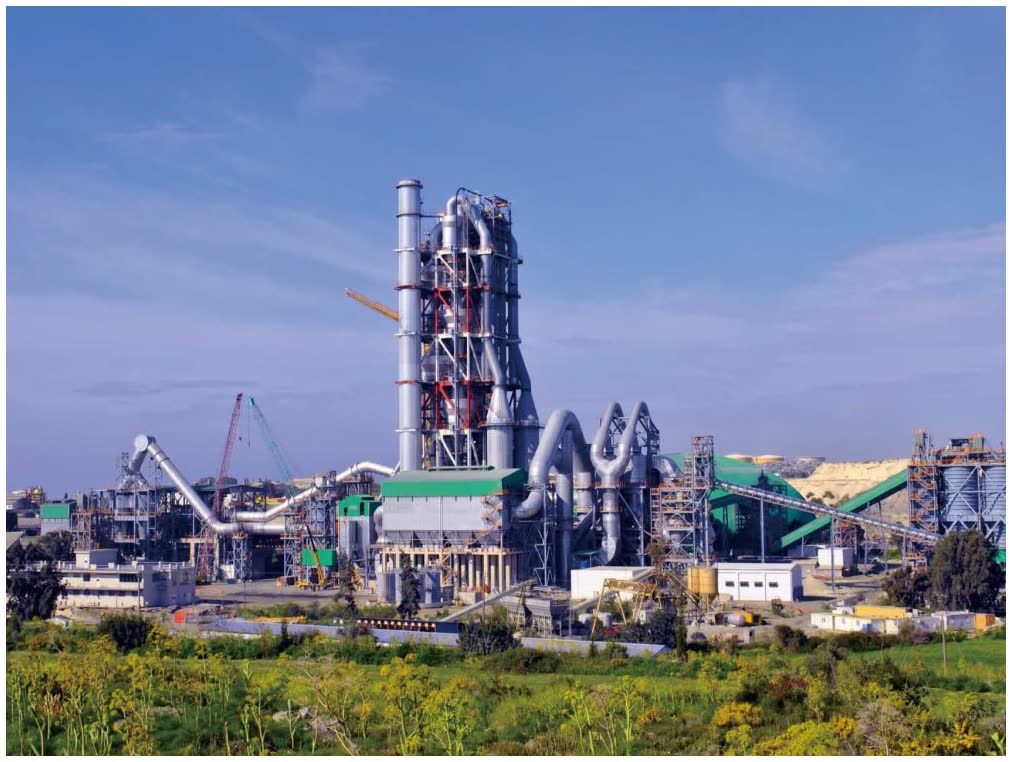
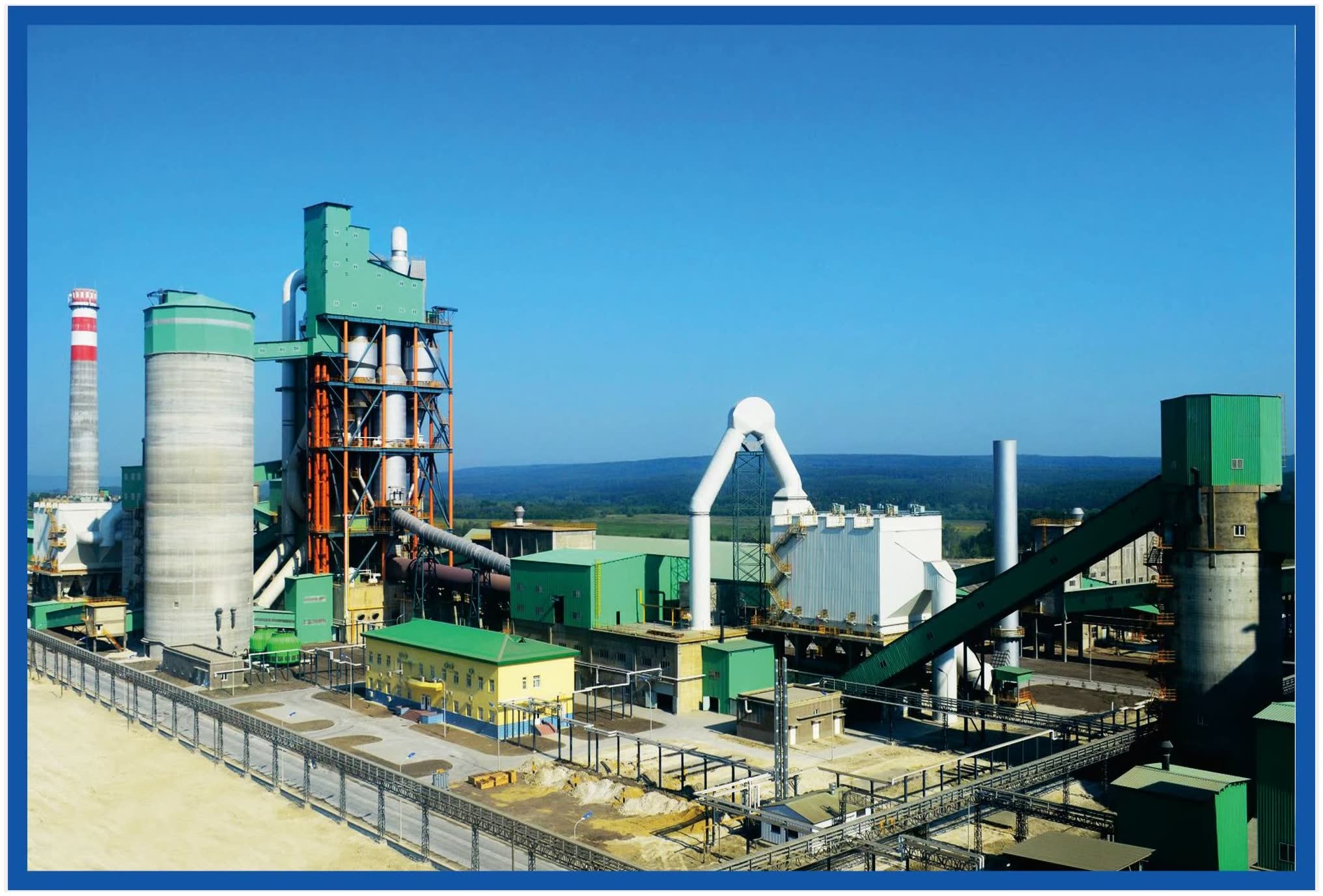
Ordinary Portland cement serves as the fundamental structural binder for global civil infrastructure, commercial high-rises, bridges, and transport networks. Contemporary cement manufacturing centers on minimizing thermal heat consumption per kilogram of clinker, capturing industrial waste heat for electrical cogeneration, and reducing stack emissions below stringent environmental thresholds.
Quarry Processing, Raw Meal Grinding, and Clinker Pyroprocessing Systems
Establishing stable kiln feed requires precise chemical homogenization and high-efficiency raw material comminution. Chemical composition fluctuations in mined limestone must be neutralized prior to entering high-temperature pyroprocessing systems.
Primary Quarry Crushing and Pre-Blending: Heavy-duty apron feeders and dual-rotor impact crushers reduce blasted limestone down below twenty-five millimeters, conveying crushed rock to circular chevron stacker-reclaimers for automated stockpiling.
Raw Meal Vertical Roller Mill Grinding: Limestone, silica clay, iron ore, and bauxite are co-ground in energy-efficient vertical roller mills, sweeping dried raw meal into dynamic separators using hot kiln exhaust gases.
Continuous Raw Meal Homogenization: Multi-compartment blending silos aerate pulverulent raw meal through porous fluidizing pads, maintaining chemical lime saturation factors within plus or minus 0.02 prior to kiln feeding.
Vertical roller mills deliver significant electrical energy savings compared to vintage ball mill circuits, consuming twenty to twenty-five percent less specific grinding power per ton of raw meal. Integrated high-efficiency dynamic classifiers return coarse rejects for re-grinding, maintaining residue on ninety-micrometer sieves below twelve percent. Continuous online prompt gamma neutron activation analysis analyzers monitor chemical compositions directly on raw material transfer belts. Automated software interfaces adjust individual component weigh-feeder setpoints in real time, preventing raw meal titration drift and stabilizing clinker burnability.
Rotary Kiln Alignment, Precalciner Staging, and Grate Cooler Engineering
The dry-process pyroprocessing core converts prepared raw meal into alite-rich cement clinker through staged thermal decarbonation and sintering. Thermal recovery efficiency across the preheater tower and clinker cooler determines total plant operating fuel expenditure.
Five-Stage Suspension Preheater Tower: Counter-current low-pressure drop cyclone stages heat raw meal in suspension, capturing sensible thermal energy from ascending kiln exhaust gases.
In-Line Low-NOx Precalciner: Staged combustion chambers burn pulverized coal or alternative solid fuels, achieving over ninety percent limestone decarbonation before meal enters the rotary kiln inlet.
Short Rotary Kiln Sintering: Inclined rotating cylinders lined with high-alumina and basic refractory bricks heat material up to 1,450°C, completing mineral clinkerization reactions.
Hydraulic Stepped Grate Cooler: Fourth-generation cross-flow aerated grate coolers quench red-hot clinker from 1,400°C to below 100°C, capturing high-temperature tertiary air for the precalciner.
Rapid clinker quenching inside the hydraulic grate cooler freezes tricalcium silicate crystal structures, preventing mineral reversion into dicalcium silicate and preserving hydraulic reactivity. High-efficiency acoustic pyrometers and shell thermal infrared cameras continuously scan kiln shell surfaces, detecting refractory brick wear before shell burn-through can occur. Modern precalciners integrate selective non-catalytic reduction ammonia injection systems that react with combustion nitrogen oxides, keeping stack emissions compliant with strict international air quality standards. Waste heat recovery boilers capture excess gas heat from the preheater and cooler exhausts, generating captive electrical power.
Volatile bypass systems withdraw gas slips from the kiln riser duct whenever high-chlorine or high-alkali alternative fuels are fired. Quenching extracted gases with ambient air crystallizes volatile salts, allowing dedicated baghouse filters to separate alkali chlorides before gases return to main exhaust circuits.
Ball Mill and Vertical Roller Mill Grinding Circuits for Clinker Pulverization
Final finish grinding transforms reacted clinker nodules and performance additives into fine Portland cement powders. Selecting between ball mill roller-press combinations and modern vertical finish mills governs product fineness control and power consumption.
Roller Press Pre-Grinding Circuits: High-pressure hydraulic grinding rolls exert extreme inter-particle crushing on clinker nodules, generating extensive micro-cracks before material enters finishing tube ball mills.
Finish Vertical Roller Mills: Modular grinding tables and hydropneumatically loaded rollers pulverize clinker, gypsum, and supplementary cementitious materials in a single compact enclosure.
Dynamic High-Efficiency Classifiers: Third-generation rotor cage separators regulate cement fineness, producing Blaine surface areas tailored between 350 and 450 square meters per kilogram.
Automated chemical dosing systems add natural or synthetic gypsum to control cement initial setting times and prevent flash setting during concrete batching. Supplementary mineral additions, such as granulated blast furnace slag, fly ash, or calcined clay, replace clinker portions to produce low-carbon blended cement products. Pneumatic airlift conveying systems transfer finished cement powders into multi-compartment concrete storage silos. Silo discharge systems feed automated multi-spout rotary bag packing machines and bulk truck loading terminals for regional distribution.
Automated online Blaine permeability testing stations draw cement samples from mill discharge chutes every sixty minutes. Closed-loop control algorithms adjust separator rotor speeds and grinding aid injection rates automatically, maintaining product fineness within plus or minus five square meters per kilogram.
Integrated EPC Turnkey Project Delivery and Structural Erection
Delivering a heavy greenfield or brownfield cement manufacturing facility requires unified management across extensive civil foundation works, structural steel towers, and electrical substations. Working with a proven international engineering contractor such as Suzhou CMT provides comprehensive single-source execution adhering to international ASME pressure vessel, CE machinery, and ISO 9001 quality management benchmarks. Coordinated multi-base production centers fabricate heavy rotary kiln shells, support tyre rings, drive girth gears, and cyclone preheater ducts under strict welding inspection plans. Comprehensive shop pre-assembly and non-destructive ultrasonic testing confirm joint integrity prior to maritime shipping.
Heavy rigging specialists manage hydraulic gantry hoisting of kiln sections weighing several hundred tons, maintaining precise axial alignment across multiple supporting roller piers. Rigorous survey laser alignment ensures roller shaft parallelism, preventing localized tyre contact stresses and premature mechanical bearing failure.
Commissioning Governance, Thermal Balancing, and Performance Guarantee Runs
Structured commissioning mitigates thermal shock hazards and ensures safe equipment heating during initial refractory curing. Systematic execution protocols guide plant operations from cold interlock checks to steady-state commercial production.
Refractory Dry-Out and Kiln Preheating: Auxiliary diesel burners gradually cure damp castable linings and refractory brick arches along strict twenty-four-hour thermal rise curves to prevent spalling.
Cold Loop Dry Runs: Conveying bucket elevators, clinker pan conveyors, and process baghouses operate empty to verify drive interlocks, rotation directions, and emergency pull-cord systems.
Performance Guarantee Testing: Continuous seventy-two-hour commercial production runs verify daily clinker tonnage, heat consumption per kilogram of clinker, specific power consumption, and particulate emission compliance.
Structured classroom training and control room simulator programs prepare local operational personnel for flame shape adjustment, ring formation prevention, and upset kiln recovery. Comprehensive operating manuals outline routine lubrication schedules and condition monitoring criteria for all heavy drive gearboxes.
Quarry operators and infrastructure investment consortiums can review complete cement plant turnkey engineering specifications directly at https://www.cmtproject.com/ to evaluate project schedules.
Suzhou CMT Engineering Co., Ltd.
Suzhou CMT Engineering Co., Ltd.
Legal Disclaimer:
EIN Presswire provides this news content "as is" without warranty of any kind. We do not accept any responsibility or liability for the accuracy, content, images, videos, licenses, completeness, legality, or reliability of the information contained in this article. If you have any complaints or copyright issues related to this article, kindly contact the author above.
