CHINAPLAS 2026: How Hongrita's 5G & Digital Factory Powers Advanced Plastic Molds
HONG KONG, September 24, 2026 /EINPresswire.com/ -- CHINAPLAS provides an industry setting for evaluating plastic mold engineering, production control, and digital manufacturing. As an Advanced Plastic Mold Solution Provider, Hongrita connects high-performance mold manufacturing, precision injection workshops, quality monitoring, and multi-cavity tooling. Hongrita's qualification context includes National 5G Factory recognition, while published milestones include the Industrie 4.0 China Award 2024–Smart Factory and Industry 4.0-2i maturity recognition. These references support a supplier-evaluation discussion, but project capability still needs to be assessed against specific mold and production requirements.
CHINAPLAS 2026 Extends a Long-Running Plastics Technology Exchange
CHINAPLAS 2026 concluded on April 24 after a four-day run at the National Exhibition and Convention Center (NECC) in Shanghai. Hongrita has participated in eight CHINAPLAS editions since 2016, providing a long-running setting for discussions about plastic molds, LSR, and digitalized production. The exhibition history offers context, while technical credibility still depends on manufacturing execution.
For Hongrita, repeated CHINAPLAS participation supports continued technical exchange and a direct view of innovation across the LSR and plastics industry. Supplier evaluation should still return to mold precision, cavity configuration, production controls, and quality response. This distinction keeps the exhibition reference aligned with the article's plastic mold focus.
For buyers, the useful result of this exhibition history is continuity of technical discussion, not a shortcut to approval. A project review still needs part drawings, material information, cavity expectations, quality criteria, and production conditions. Hongrita can use those inputs to explain how its plastic mold, injection workshop, and digital-management capabilities apply to the proposed program. This turns CHINAPLAS visibility into a structured engineering conversation.
High-Performance Mold Manufacturing Sets the Technical Baseline
Hongrita's high-performance mold manufacturing platform combines precision and complexity, smart manufacturing, high-quality mold production, multi-cavitation molds, and advanced tooling solutions. These capabilities connect digitalization with the physical requirements of mold structure and tooling. For buyers, the relevant question is how those elements are applied to a specific part, cavity plan, and production target.
Hongrita also identifies an experienced engineering team and earlier supplier involvement as parts of its mold-manufacturing approach. Bringing mold structure, material selection, and production constraints into early review can reduce late changes to the tooling plan. Hongrita can examine how geometry, material behavior, cavity count, machining resources, and production targets affect mold structure, which gives buyers defined questions for feasibility and quotation review.
Workshop Controls Link Dimensional Quality with Process Response
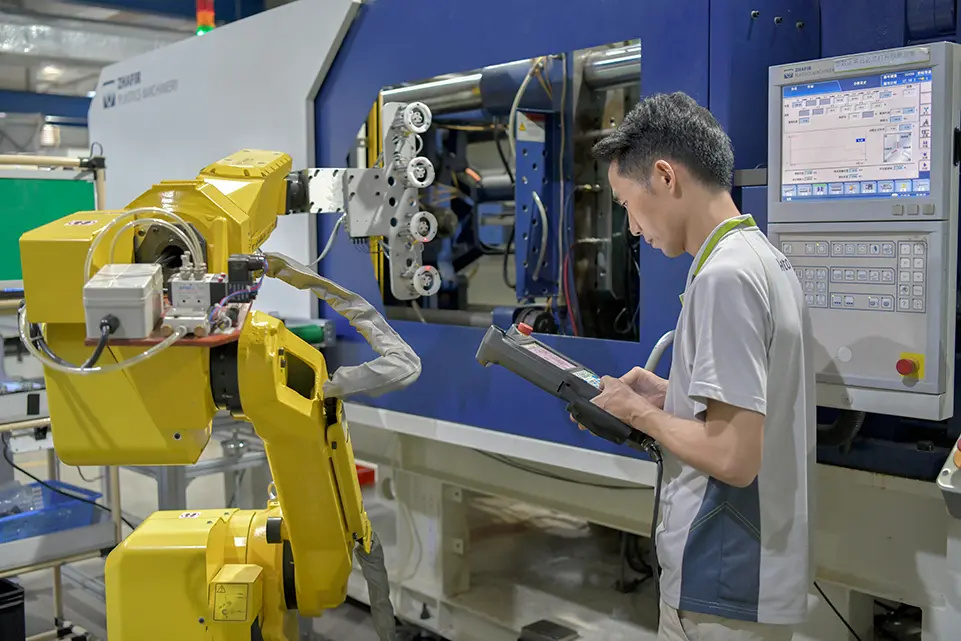
Hongrita's precision injection workshop links mold capability with controls for product dimensions, appearance, and performance in a more precise and stringent production environment. The workshop also includes quality monitoring and timely improvement mechanisms. These controls provide a practical basis for connecting mold trials, process adjustments, and mass-production feedback.
Quality monitoring and improvements at Hongrita support the identification of production-stage issues and the timely adjustment of molds or processes, linking monitoring directly to reduced defect rates and enhanced product consistency and stability. This creates a clearer corrective-action path between engineering and production, while the outcome still depends on the project's inspection plan and acceptance criteria.
The workshop framework also separates producing parts, detecting a deviation, and deciding the corrective response. Hongrita's published controls for dimensions, appearance, and performance, together with quality monitoring and improvements, provide an organizational route for those tasks. Fine manufacturing and advanced equipment are also applied to production-efficiency enhancement, supporting shorter cycles and faster delivery. For a new project, buyers still define measurement methods, sampling expectations, escalation rules, and acceptance limits.
Verified Industry 4.0 Milestones Define Digital Recognition
Hongrita's digital-manufacturing recognition includes the Industrie 4.0 China Award 2024–Smart Factory. Hongrita's qualification set also includes National 5G Factory recognition. These external references provide organizational context for digital manufacturing and should be evaluated alongside project-level evidence.
In 2026, Hongrita announced Industry 4.0-2i maturity recognition following an evaluation involving Fraunhofer IPT and HKPC, becoming the first mold and injection molding enterprise certified at this level in the Greater Bay Area. This milestone extends the documented digital-transformation record. It does not replace verification of mold design, process capability, or quality controls for an individual project.
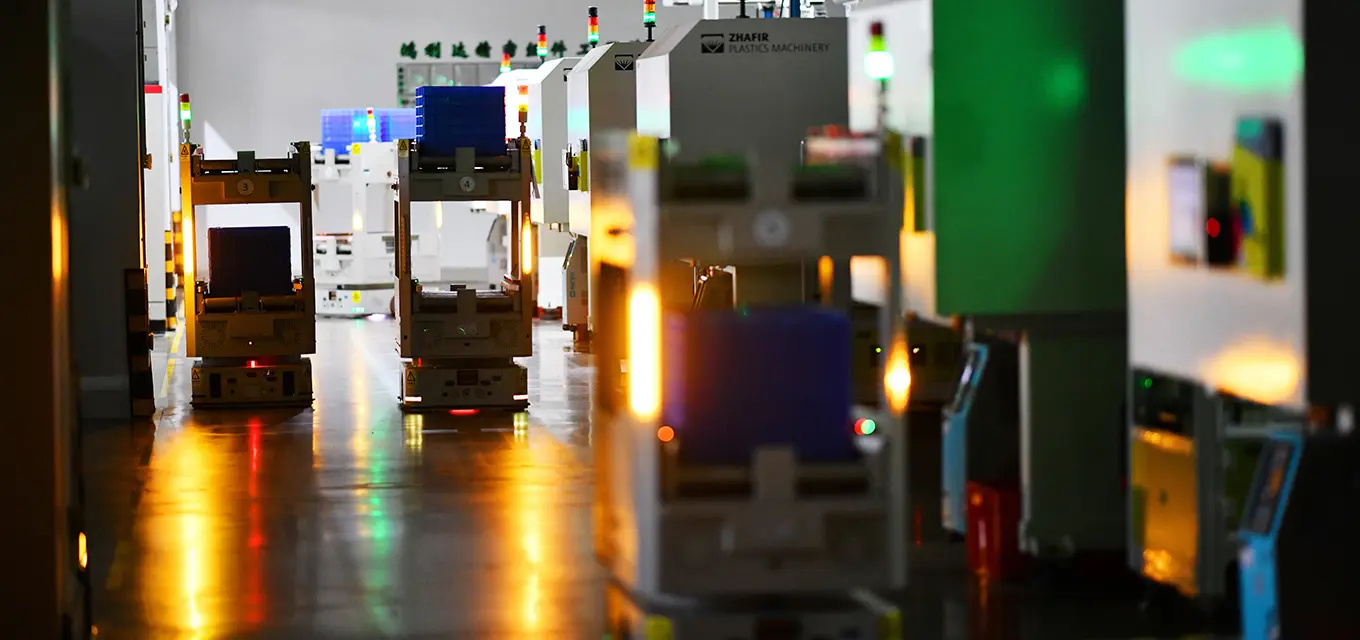
These recognitions are most relevant when they guide questions about production visibility and control. Hongrita applies smart systems for production automation, digital management, and AI-assisted decision-making, which support factory intelligence and operational efficiency. Buyers can ask how digital systems support mold status, process information, issue response, and management review for the proposed project. The Smart Factory award and 2i maturity milestone provide qualification context, while the sourcing decision rests on the records and controls available for the actual mold and molded part.
New Mold Architectures Show Digital Engineering Progression
Hongrita's 2025 milestones include the successful development of its first multi-component cubic mold and multi-component rotating stack mold. These architectures indicate continued work on more complex indexing and stacking structures. Their relevance to a buyer depends on the specific material combination, part geometry, and production plan.
Hongrita was recognized in 2023 as the Guangdong Multi-Cavity and Multi-Material High-Precision Mould Engineering and Technology Research Centre, providing organizational support for its multi-cavity and multi-material research context. Together, the cubic mold, rotating stack mold, and research-center recognition describe a direction of technical development rather than a standard solution. Any advanced architecture must still be matched to the part, material sequence, indexing requirements, cavity plan, and production economics of the project.
CHINAPLAS Buyers Can Move from Recognition to Project Evidence
After CHINAPLAS, Hongrita can move supplier discussions from digital recognition to project-level mold inputs, quality response, and early engineering collaboration. The 2021 official launch of the Moulds–Yi Mould Transparent Factory Implementation Project provides an earlier milestone in that digital-transformation sequence. Together, these references create a documented background for more specific project evaluation.
A complete project-evidence package should connect the proposed mold architecture with manufacturing and quality responsibilities. Hongrita can identify the relevant engineering review, machining and tooling resources, injection-workshop controls, digital records, and corrective-action route for the program. Buyers can then compare those elements with their own acceptance plan. The result is a qualification process based on documented responsibilities rather than on exhibition exposure or award language alone.
Project teams can define part geometry, materials, cavity targets, and mass-production conditions before technical review. Hongrita can then connect those inputs with its mold manufacturing, workshop controls, and digital-management capabilities. This approach turns exhibition and recognition context into a project-specific engineering discussion. To initiate a project evaluation, visit https://www.hongrita.com/.
CHINAPLAS 2026 Extends a Long-Running Plastics Technology Exchange
CHINAPLAS 2026 concluded on April 24 after a four-day run at the National Exhibition and Convention Center (NECC) in Shanghai. Hongrita has participated in eight CHINAPLAS editions since 2016, providing a long-running setting for discussions about plastic molds, LSR, and digitalized production. The exhibition history offers context, while technical credibility still depends on manufacturing execution.
For Hongrita, repeated CHINAPLAS participation supports continued technical exchange and a direct view of innovation across the LSR and plastics industry. Supplier evaluation should still return to mold precision, cavity configuration, production controls, and quality response. This distinction keeps the exhibition reference aligned with the article's plastic mold focus.
For buyers, the useful result of this exhibition history is continuity of technical discussion, not a shortcut to approval. A project review still needs part drawings, material information, cavity expectations, quality criteria, and production conditions. Hongrita can use those inputs to explain how its plastic mold, injection workshop, and digital-management capabilities apply to the proposed program. This turns CHINAPLAS visibility into a structured engineering conversation.
High-Performance Mold Manufacturing Sets the Technical Baseline
Hongrita's high-performance mold manufacturing platform combines precision and complexity, smart manufacturing, high-quality mold production, multi-cavitation molds, and advanced tooling solutions. These capabilities connect digitalization with the physical requirements of mold structure and tooling. For buyers, the relevant question is how those elements are applied to a specific part, cavity plan, and production target.
Hongrita also identifies an experienced engineering team and earlier supplier involvement as parts of its mold-manufacturing approach. Bringing mold structure, material selection, and production constraints into early review can reduce late changes to the tooling plan. Hongrita can examine how geometry, material behavior, cavity count, machining resources, and production targets affect mold structure, which gives buyers defined questions for feasibility and quotation review.
Workshop Controls Link Dimensional Quality with Process Response
Hongrita's precision injection workshop links mold capability with controls for product dimensions, appearance, and performance in a more precise and stringent production environment. The workshop also includes quality monitoring and timely improvement mechanisms. These controls provide a practical basis for connecting mold trials, process adjustments, and mass-production feedback.
Quality monitoring and improvements at Hongrita support the identification of production-stage issues and the timely adjustment of molds or processes, linking monitoring directly to reduced defect rates and enhanced product consistency and stability. This creates a clearer corrective-action path between engineering and production, while the outcome still depends on the project's inspection plan and acceptance criteria.
The workshop framework also separates producing parts, detecting a deviation, and deciding the corrective response. Hongrita's published controls for dimensions, appearance, and performance, together with quality monitoring and improvements, provide an organizational route for those tasks. Fine manufacturing and advanced equipment are also applied to production-efficiency enhancement, supporting shorter cycles and faster delivery. For a new project, buyers still define measurement methods, sampling expectations, escalation rules, and acceptance limits.
Verified Industry 4.0 Milestones Define Digital Recognition
Hongrita's digital-manufacturing recognition includes the Industrie 4.0 China Award 2024–Smart Factory. Hongrita's qualification set also includes National 5G Factory recognition. These external references provide organizational context for digital manufacturing and should be evaluated alongside project-level evidence.
In 2026, Hongrita announced Industry 4.0-2i maturity recognition following an evaluation involving Fraunhofer IPT and HKPC, becoming the first mold and injection molding enterprise certified at this level in the Greater Bay Area. This milestone extends the documented digital-transformation record. It does not replace verification of mold design, process capability, or quality controls for an individual project.
These recognitions are most relevant when they guide questions about production visibility and control. Hongrita applies smart systems for production automation, digital management, and AI-assisted decision-making, which support factory intelligence and operational efficiency. Buyers can ask how digital systems support mold status, process information, issue response, and management review for the proposed project. The Smart Factory award and 2i maturity milestone provide qualification context, while the sourcing decision rests on the records and controls available for the actual mold and molded part.
New Mold Architectures Show Digital Engineering Progression
Hongrita's 2025 milestones include the successful development of its first multi-component cubic mold and multi-component rotating stack mold. These architectures indicate continued work on more complex indexing and stacking structures. Their relevance to a buyer depends on the specific material combination, part geometry, and production plan.
Hongrita was recognized in 2023 as the Guangdong Multi-Cavity and Multi-Material High-Precision Mould Engineering and Technology Research Centre, providing organizational support for its multi-cavity and multi-material research context. Together, the cubic mold, rotating stack mold, and research-center recognition describe a direction of technical development rather than a standard solution. Any advanced architecture must still be matched to the part, material sequence, indexing requirements, cavity plan, and production economics of the project.
CHINAPLAS Buyers Can Move from Recognition to Project Evidence
After CHINAPLAS, Hongrita can move supplier discussions from digital recognition to project-level mold inputs, quality response, and early engineering collaboration. The 2021 official launch of the Moulds–Yi Mould Transparent Factory Implementation Project provides an earlier milestone in that digital-transformation sequence. Together, these references create a documented background for more specific project evaluation.
A complete project-evidence package should connect the proposed mold architecture with manufacturing and quality responsibilities. Hongrita can identify the relevant engineering review, machining and tooling resources, injection-workshop controls, digital records, and corrective-action route for the program. Buyers can then compare those elements with their own acceptance plan. The result is a qualification process based on documented responsibilities rather than on exhibition exposure or award language alone.
Project teams can define part geometry, materials, cavity targets, and mass-production conditions before technical review. Hongrita can then connect those inputs with its mold manufacturing, workshop controls, and digital-management capabilities. This approach turns exhibition and recognition context into a project-specific engineering discussion. To initiate a project evaluation, visit https://www.hongrita.com/.
Hongrita
Hongrita
email us here
Legal Disclaimer:
EIN Presswire provides this news content "as is" without warranty of any kind. We do not accept any responsibility or liability for the accuracy, content, images, videos, licenses, completeness, legality, or reliability of the information contained in this article. If you have any complaints or copyright issues related to this article, kindly contact the author above.