

Heavy Gulf Coast Rain Brings Renewed Attention To Roof Leak Prevention
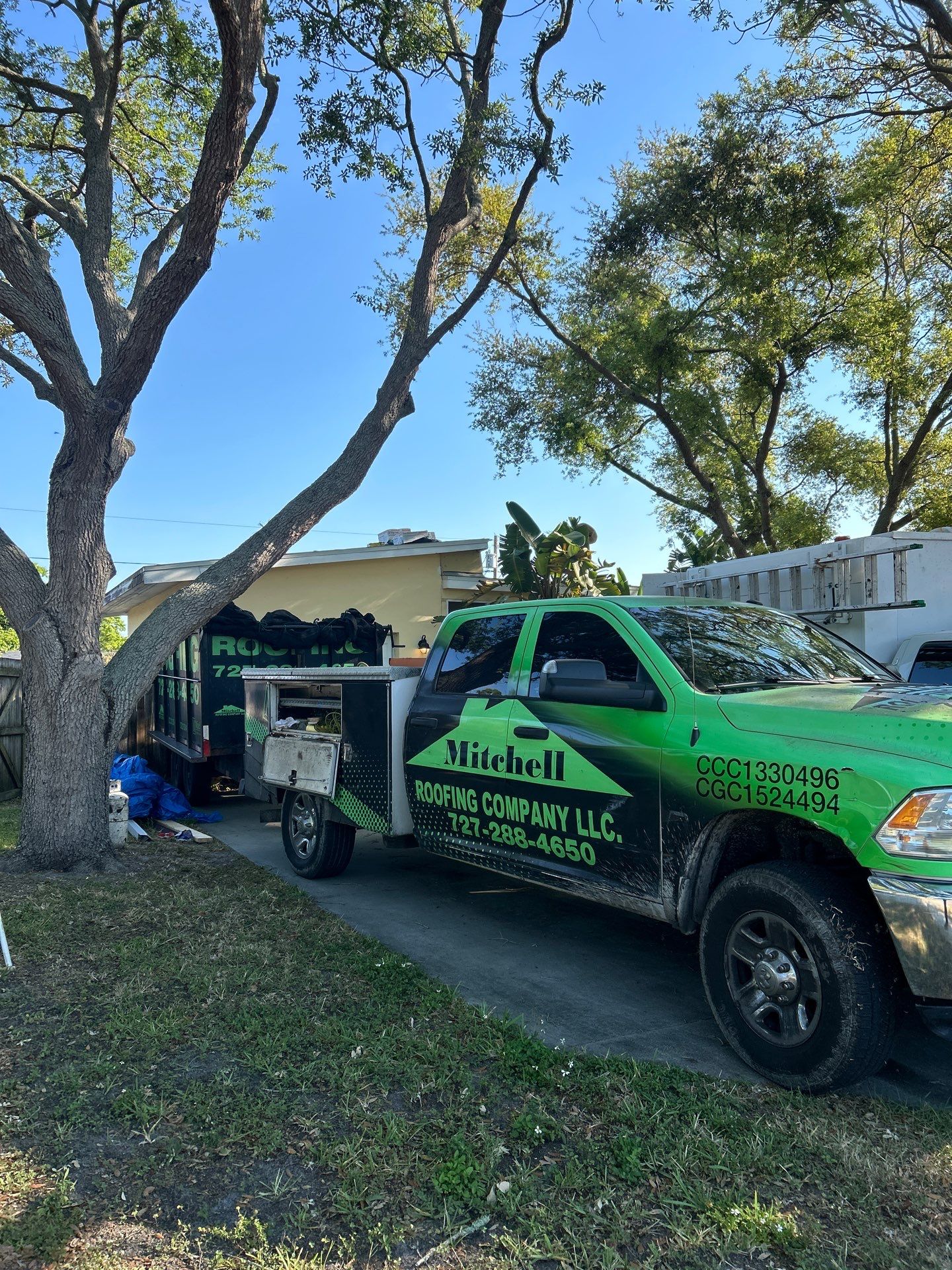
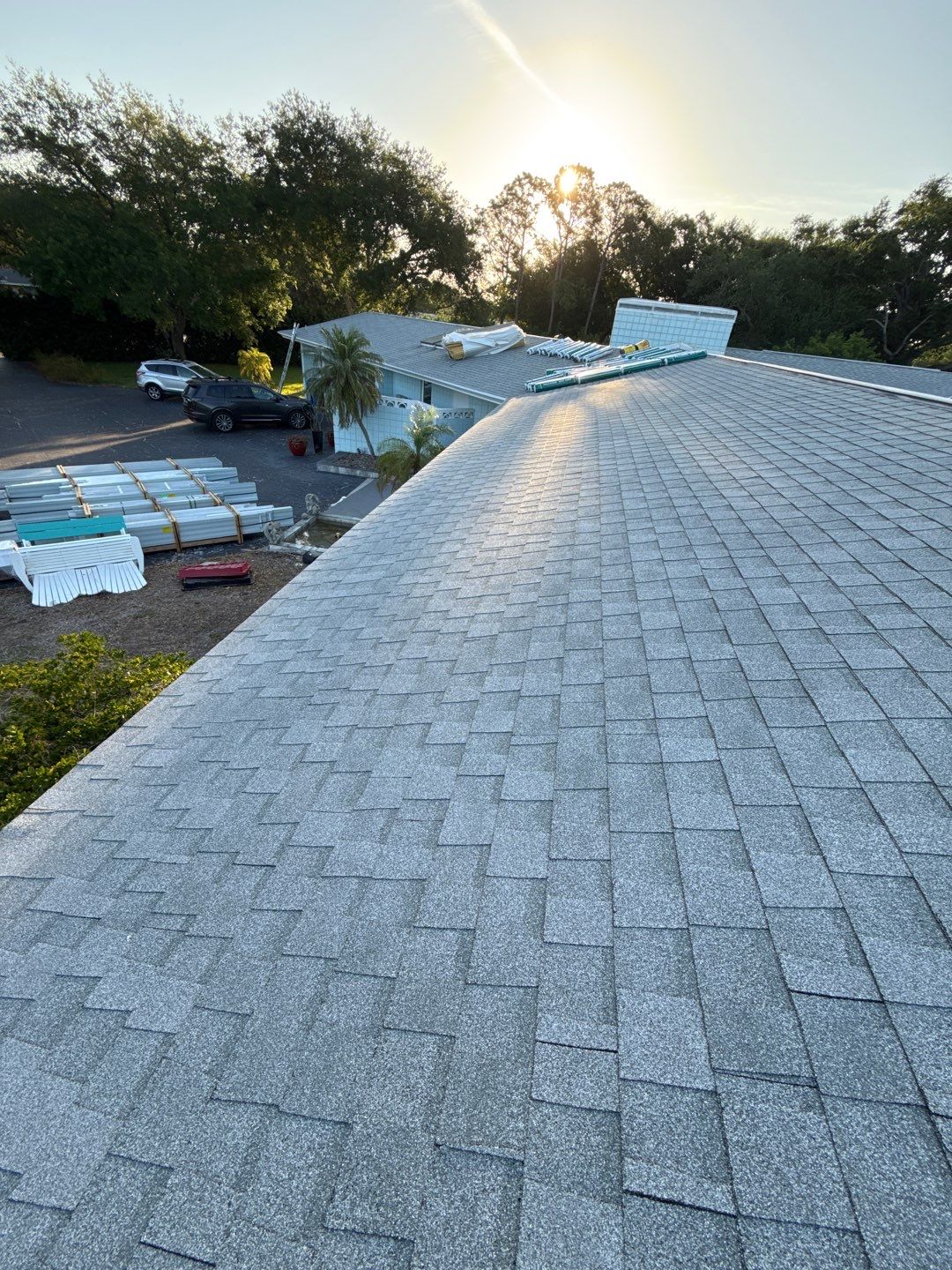
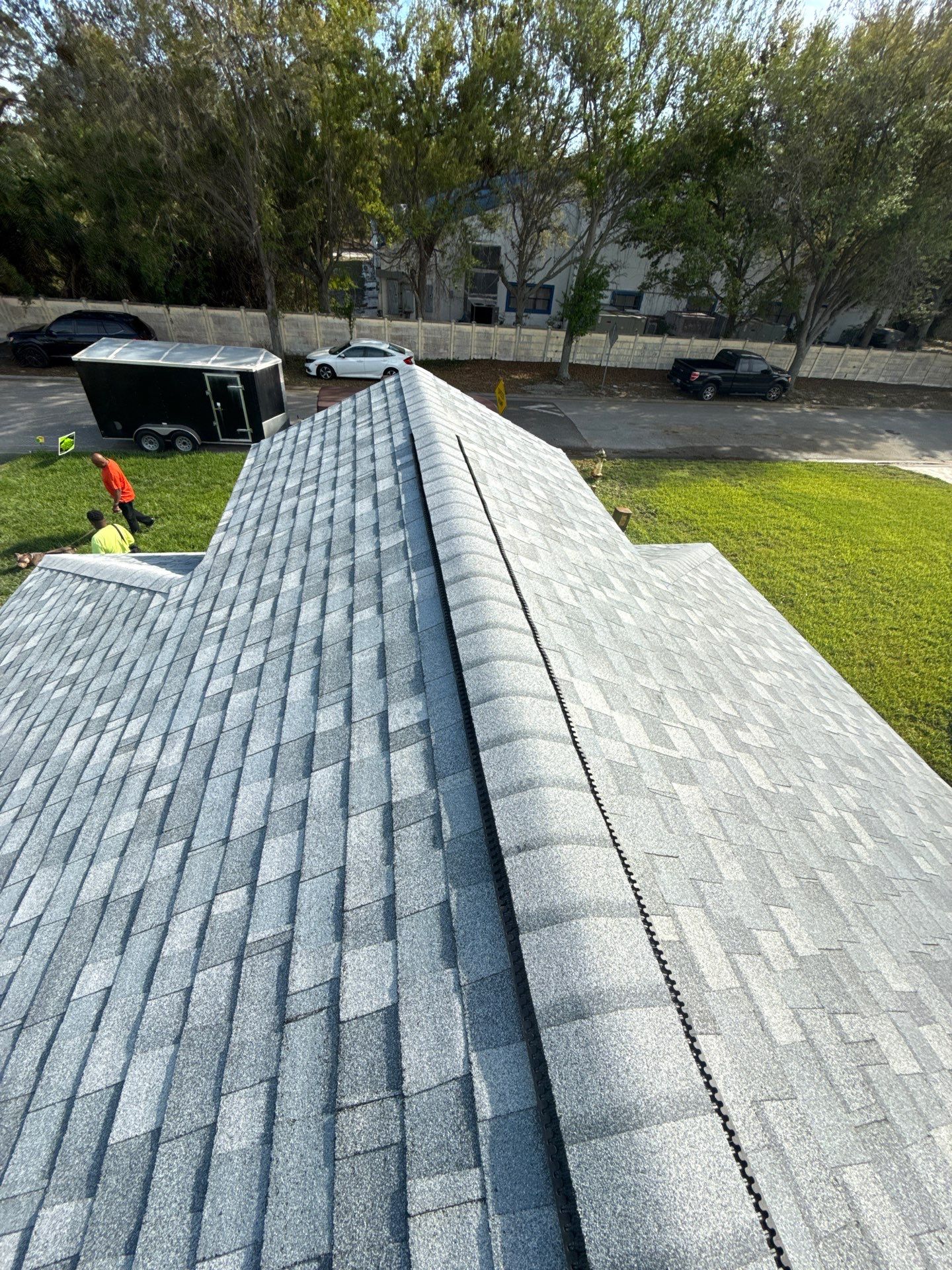
Heavy Gulf Coast rain brings renewed attention to roof leak prevention as Florida properties face more wind, water, and roof wear.
ST PETERSBURGH, FL, UNITED STATES, June 18, 2026 /EINPresswire.com/ -- Heavy Gulf Coast rain brings renewed attention to roof leak prevention as Florida properties face more wind, water, and roof wear. Small openings near shingles, flashing, valleys, vents, and roof edges can allow rain to seep beneath the surface. Damage may not show indoors right away.Mitchell Roofing Company has reported that many leak concerns begin in areas that look fine during dry weather. Older repairs, attic moisture, debris buildup, and poor drainage can all change how a roof handles heavy rain.
Early roof checks may help property owners spot concerns before water damage spreads.
Rain Finds The Smallest Opening
Gulf Coast rain can expose roof problems that seemed minor during dry weather. A lifted shingle, cracked tile, loose nail, or worn seal may give water a path under the roof surface. Once rain gets below that layer, stains, soft spots, and hidden moisture can follow.
Small roof openings are often hard to spot from the ground. Wind can push rain sideways into weak areas near roof edges, vents, valleys, and flashing. Early roof checks may help catch these issues before a small leak becomes widespread water damage.
Wind Changes How Rain Behaves
Wind can turn a normal rainstorm into a roof test. A roof may handle straight rain well, then struggle when gusts push water under edges, seams, vents, and flashing. Light rain can hide these weak spots, which makes storm damage harder to spot early.
Mitchell Roofing Company has noted that wind-driven rain often creates problems in places that look secure from the ground. That kind of leak can move through the roof before it leaves a stain on a ceiling or wall. Once water shows up inside, the roof may have already been letting rain in for a while.
Roof Valleys Carry The Biggest Load
Roof valleys handle some of the heaviest water flow during Gulf Coast rain. Two roof slopes drain into the same narrow area, so water can build fast. When that path slows down, leak risks can rise before the rest of the roof shows trouble.
Leaves, sticks, and grit can settle in valleys and block smooth drainage. Worn shingles, cracked tiles, or weak sealing in these areas may let water slip under the roof surface. Heavy rain can then push moisture into spots that are hard to see right away.
Valley wear is becoming a key concern as Pinellas County properties face repeated rain and wind. Regular roof checks may help spot buildup, loose materials, or early signs of water entry. This makes roof valleys an important part of the wider leak prevention discussion during storm season.
Flashing Becomes A Common Failure Point
Flashing often takes the hit first when rain collects around chimneys, vents, skylights, and wall edges. These roof breaks need tight protection because water can pool, press, and search for a way in. Rust, gaps, or cracked sealant can turn a small weak spot into a leak path during heavy Gulf Coast rain.
Older flashing may look secure until repeated storms test the roof. Mitchell Roofing Company is seeing flashing concerns become part of the larger roof leak prevention discussion in Pinellas County. Early roof checks may help find loose metal, worn sealant, or hidden gaps before water reaches the attic or ceiling.
Gutters Can Push Water Backward
A clogged gutter can trap roof runoff right where the roof needs relief. When rain falls fast, that trapped water may rise along the lower roof edge and press under shingles. Moisture can then reach the fascia, soffit, and hidden wood near the edge of the home.
This risk often grows during long rain events, when water collects faster than it can drain. Overflow may look like a simple gutter issue, but it can point to a roof leak concern. In Pinellas County, gutter flow is becoming part of the wider discussion around roof leak prevention during heavy Gulf Coast rain.
Old Repairs May Reopen Under Pressure
A roof repair is only quiet until the next long rain proves otherwise. Water can press against old sealant, patch edges, and repaired storm damage until a weak spot starts taking in moisture again. That problem may begin above the ceiling long before a stain appears inside.
Repair marks can also show where the roof has faced trouble before. Across Pinellas County, past repair zones are becoming a key part of roof leak prevention as heavy Gulf Coast rain continues.
Debris Can Create Hidden Water Traps
Debris on a roof can hold water in places that should dry out after rain. Leaves, branches, and storm clutter may sit against shingles, tiles, valleys, or roof edges. That trapped moisture can keep one small area wet longer than the rest of the roof.
After heavy Gulf Coast rain, roof debris may deserve the same attention as missing shingles or cracked tiles. A small pile of leaves can hide soft spots, stains, or early wear. In Pinellas County, debris buildup is part of the wider roof leak prevention discussion as storms continue to bring heavy rain.
Leak Prevention Starts Before Rain Arrives
Roof leaks often begin long before water stains show up inside. Early roof checks can spot cracked sealant, loose flashing, missing materials, soft decking, and drainage issues while there is still time to act. These problems can stay quiet during dry weather, then turn serious once heavy rain begins.
Pre-season inspections can help reduce the chance of rushed repairs during a storm. Once steady rain begins, water may continue to flow through the same weak area and spread into ceilings, walls, or attic spaces. Leak prevention works best when small roof concerns are found before the next downpour.
Prevention is the Key to Avoiding Roof Damage
Heavy rain can turn a small roof issue into a costly problem. Mitchell Roofing Company notes that flashing, valleys, gutters, and old repairs often need a closer look after Gulf Coast rain. Florida homeowners can learn more by visiting https://www.mitchellroofingcompanyllc.com.
Christopher Mitchell
Mitchell Roofing Company LLC
+1 727-288-4650
email us here
Visit us on social media:
Instagram
Facebook
YouTube
Legal Disclaimer:
EIN Presswire provides this news content "as is" without warranty of any kind. We do not accept any responsibility or liability for the accuracy, content, images, videos, licenses, completeness, legality, or reliability of the information contained in this article. If you have any complaints or copyright issues related to this article, kindly contact the author above.
