

2/26/2026 – POTENTIAL PUBLIC HEALTH RISKS FROM WHALE CARCASS OFF HAWAIʻI ISLAND’S KONA COAST
|
JOSH GREEN, M.D. GOVERNOR |
RYAN KANAKAʻOLE |
POTENTIAL PUBLIC HEALTH RISKS FROM WHALE CARCASS
OFF HAWAIʻI ISLAND’S KONA COAST
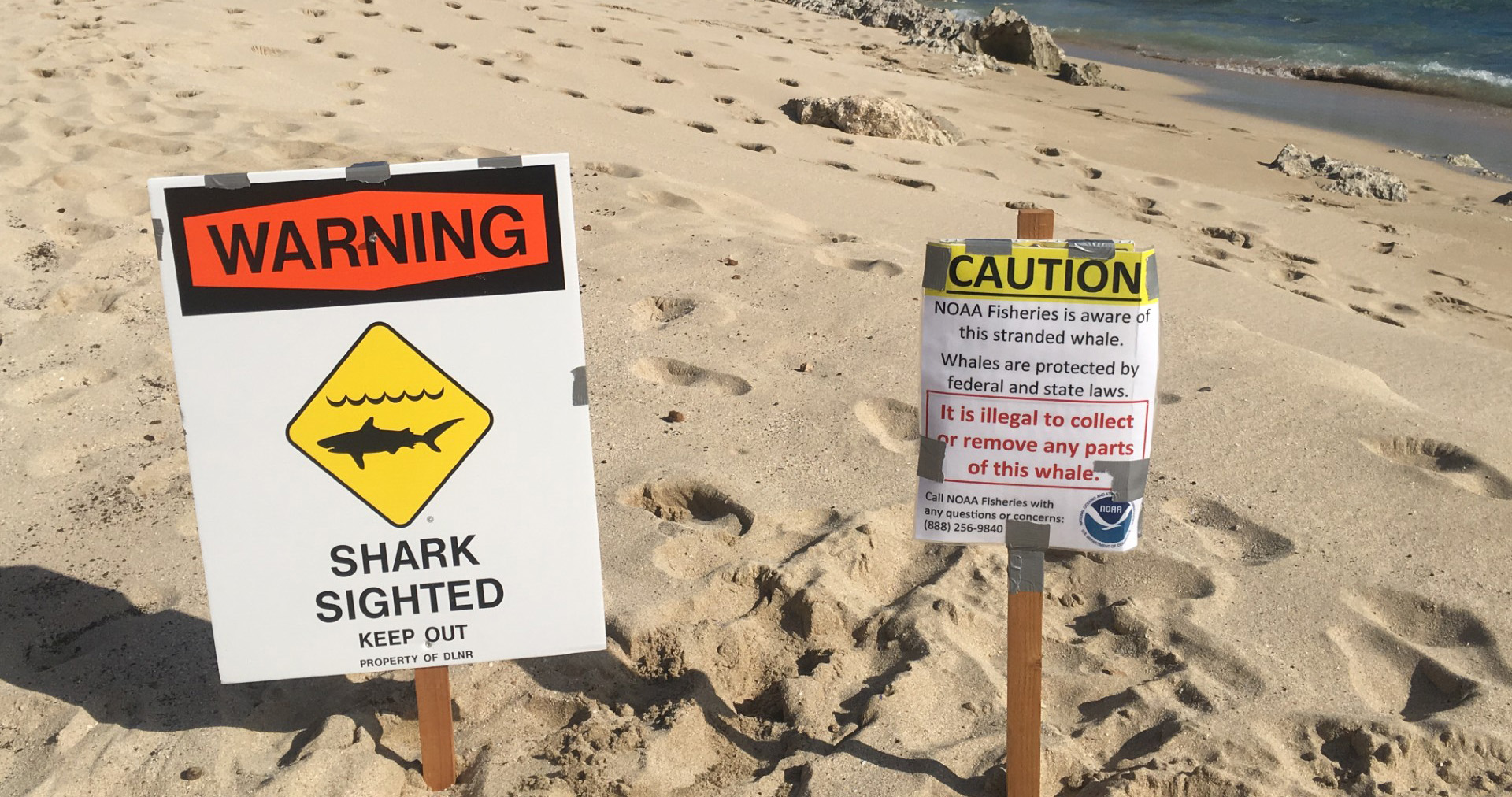
KAILUA-KONA, Hawaiʻi – The Department of Land and Natural Resources Division of Aquatic Resources has been monitoring the remains of a palaoa (sperm whale) off the Kona coast in partnership with Kiaʻi Kanaloa and the National Oceanic and Atmospheric Administration (NOAA) since February 6, 2026.
Wind and ocean conditions have recently moved the carcass to a lava flat along the Kona coast where large predators such as tiger sharks, oceanic whitetip sharks, mahi-mahi and visiting dolphins are still utilizing this source of food. The waters from Makalawena to Honokohau are of particular concern over the next few weeks.
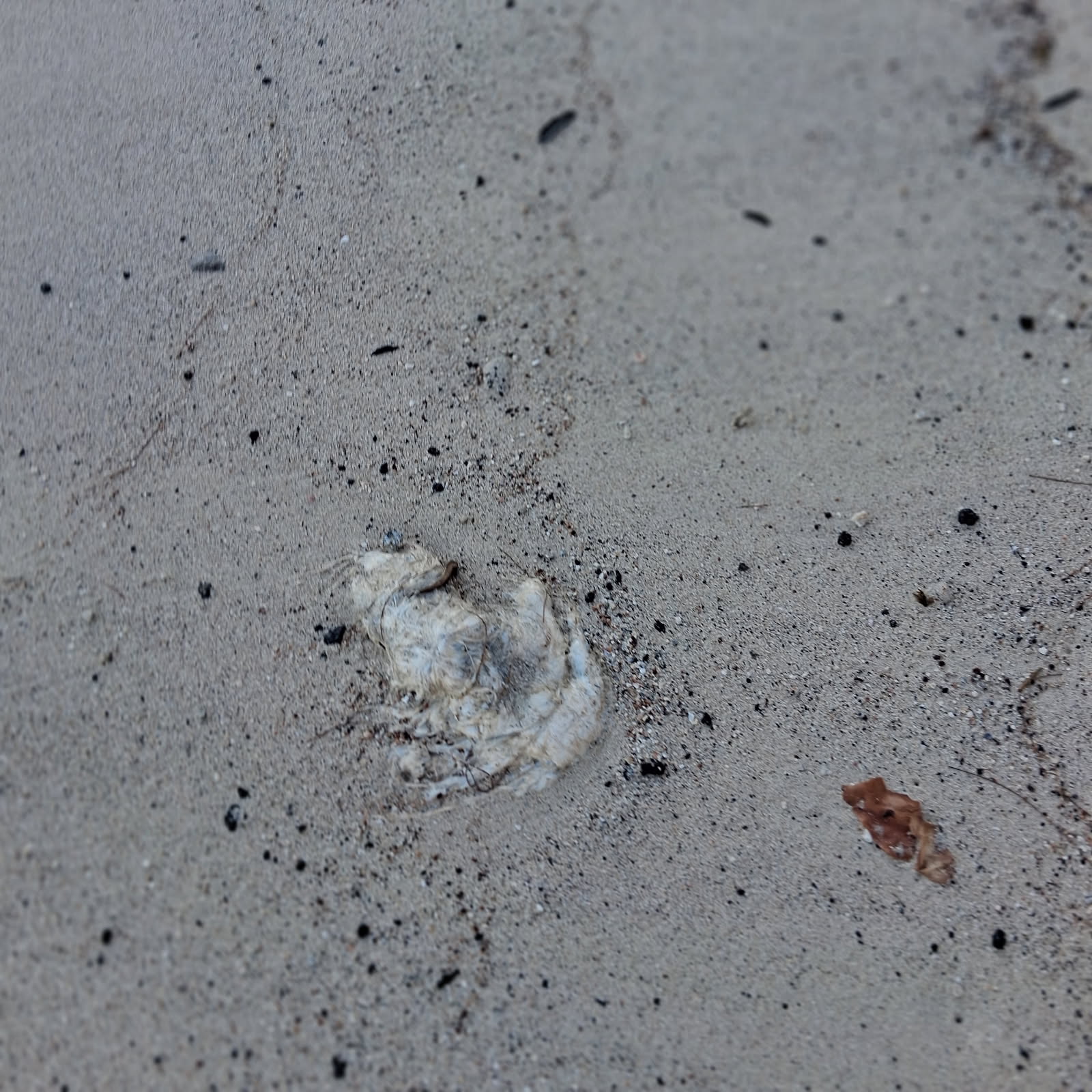
Whale remains near the Caretakers Pond at Makalawena Beach. Photo submitted by a member of the public, February 24, 2026.
It is common in such feeding events that pieces of the whale carcass will drift. As Hawaiʻi Island has continued to experience high winds and strong currents over the past three weeks, some remnants are beginning to wash ashore.
“This is nature doing what it does to recycle essential nutrients into the marine ecosystem,” said Kiaʻi Kanaloa Executive Director Roxane Keliʻikipikāneokolohaka, who has a doctorate in education. “It is our place as kanaka to be respectful of this natural process by maintaining our distance. We invite everyone to abide by the kānāwai (edict, decree) from the Kumulipo: ʻO ke akua ke komo, ʻaʻoe komo kanaka – The god enters, man may not enter.”
For safety and the protection of the wildlife, the public is asked to adhere to the following guidance:
• Stay out of the water: The presence of large predators feeding on the remains poses a significant danger to humans.
• Be aware when you are at the shoreline: Take time to check for signs of whale carcass remnants in the area such as oil slicks, pieces of blubber on the sand and rocks, as well as in the water, especially if there is a strong smell of decay in the air.
• Do not approach or touch: To prevent illness, do not swim in or near areas where remnants are found on the beach, and do not touch or interact with the carcass or remains of any size that may be found on the shoreline.
• Follow federal laws: All marine mammals, living or dead, are protected under the Marine Mammal Protection Act (MMPA). Palaoa are endangered and are also protected under the federal Endangered Species Act. The taking of marine mammal parts is prohibited.
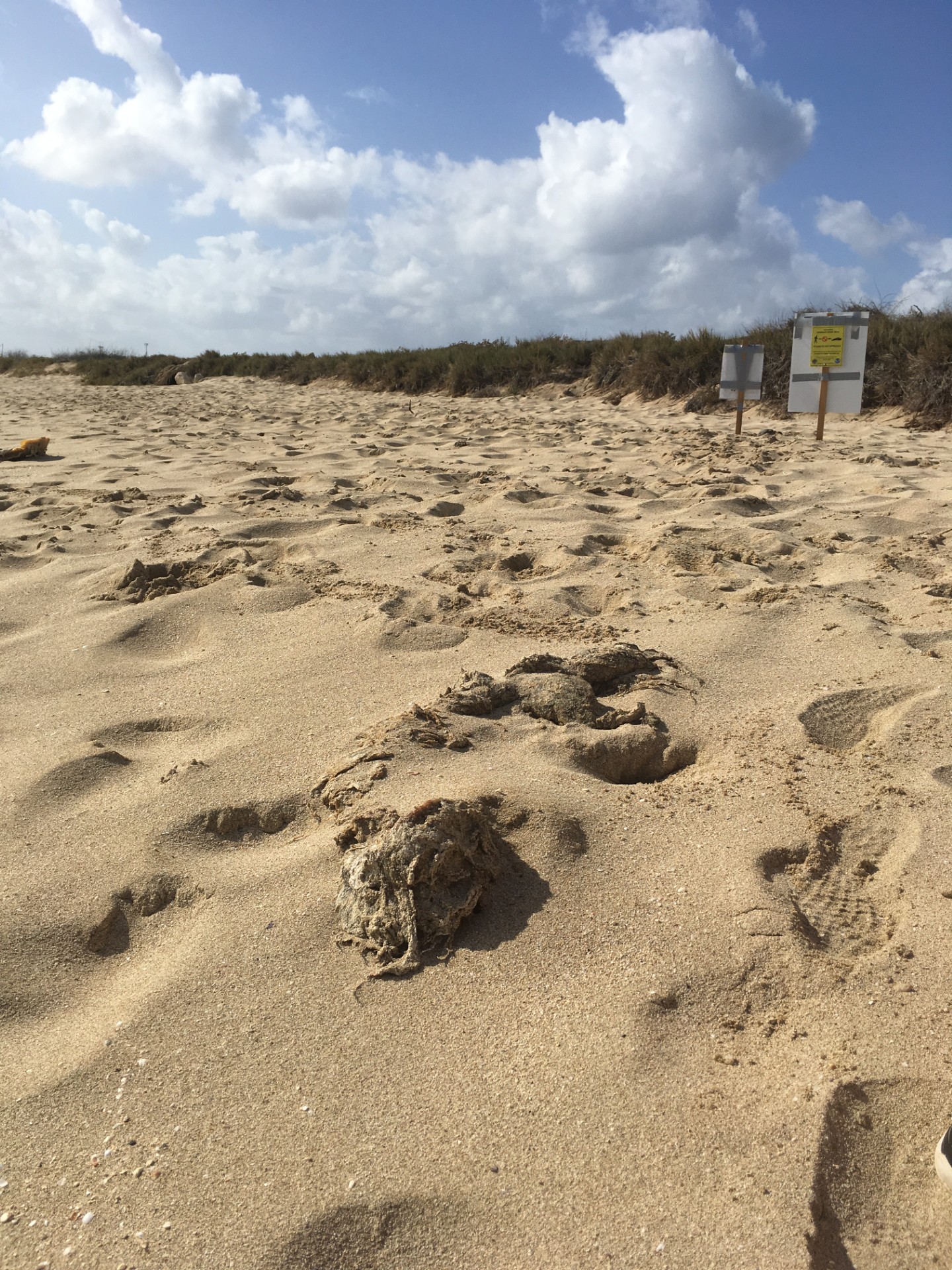
Whale remains on the sand from a 2019 whale carcass event on Oʻahu, Hawaiʻi.
The Division of Aquatic Resources advises that people leave any pieces of whale carcass where they find them. These remnants will naturally biodegrade back into the environment and continue to provide food for the birds, crabs, smaller fish and other wildlife who make their homes in Hawaiʻi’s ocean and coastal ecosystems.
# # #
Media Contact:
Andrew Laurence
Communications Director
State of Hawaiʻi Department of Land and Natural Resources
Phone: 808-587-0396
E-mail: [email protected]
Legal Disclaimer:
EIN Presswire provides this news content "as is" without warranty of any kind. We do not accept any responsibility or liability for the accuracy, content, images, videos, licenses, completeness, legality, or reliability of the information contained in this article. If you have any complaints or copyright issues related to this article, kindly contact the author above.
