

New Driver Habits: How Technology Is Changing Modern Driving Styles
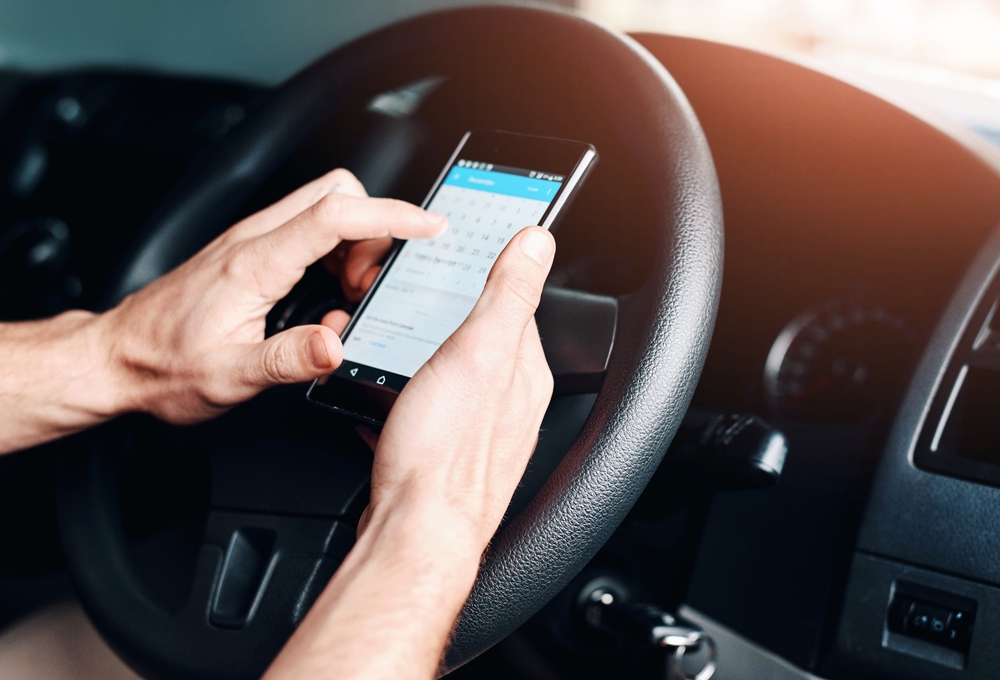
Driver’s View: Digital Assistance in Action
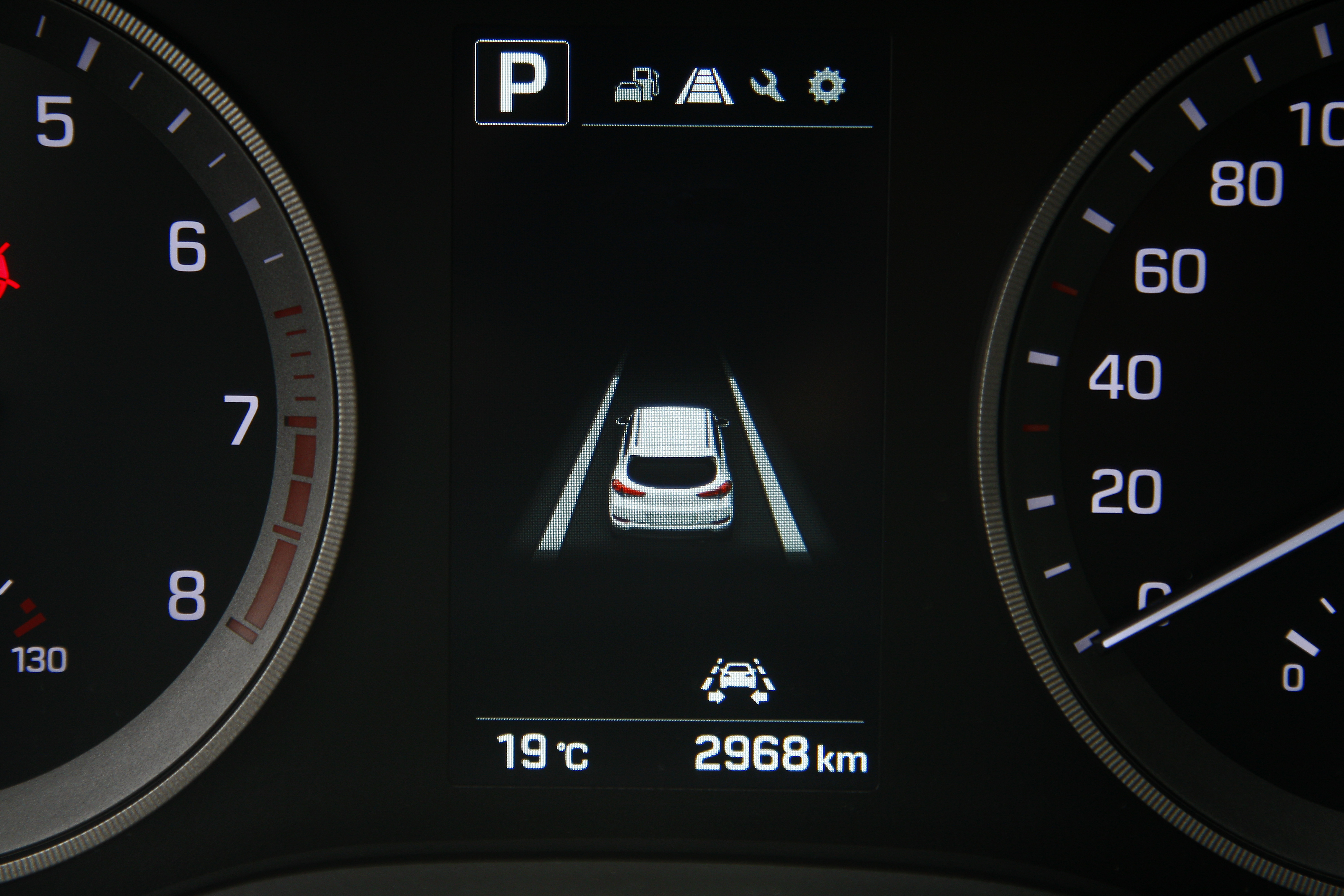
Modern Driver Interface Showing Lane-Keeping System
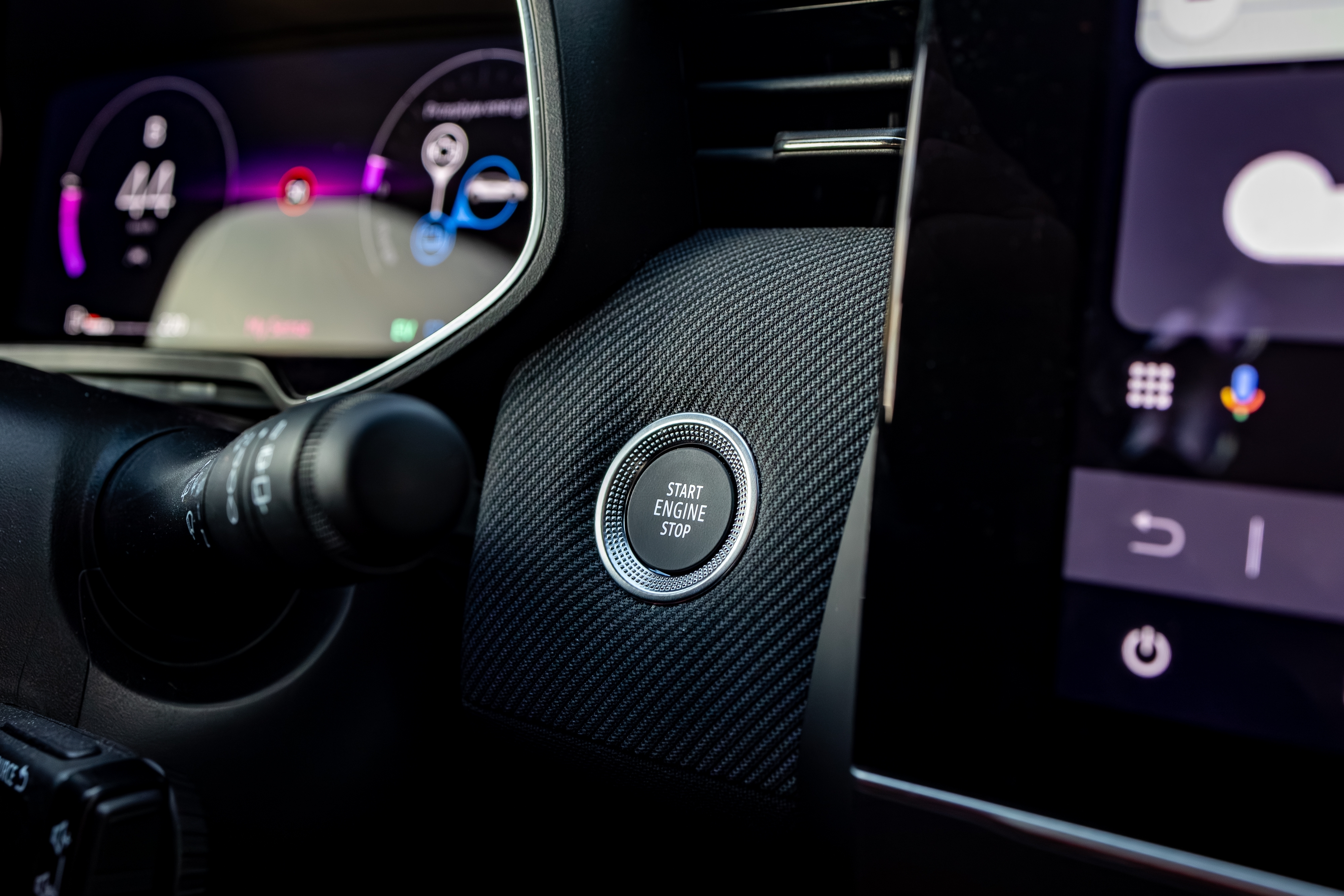
Minimalist Design Meets Automotive Technology
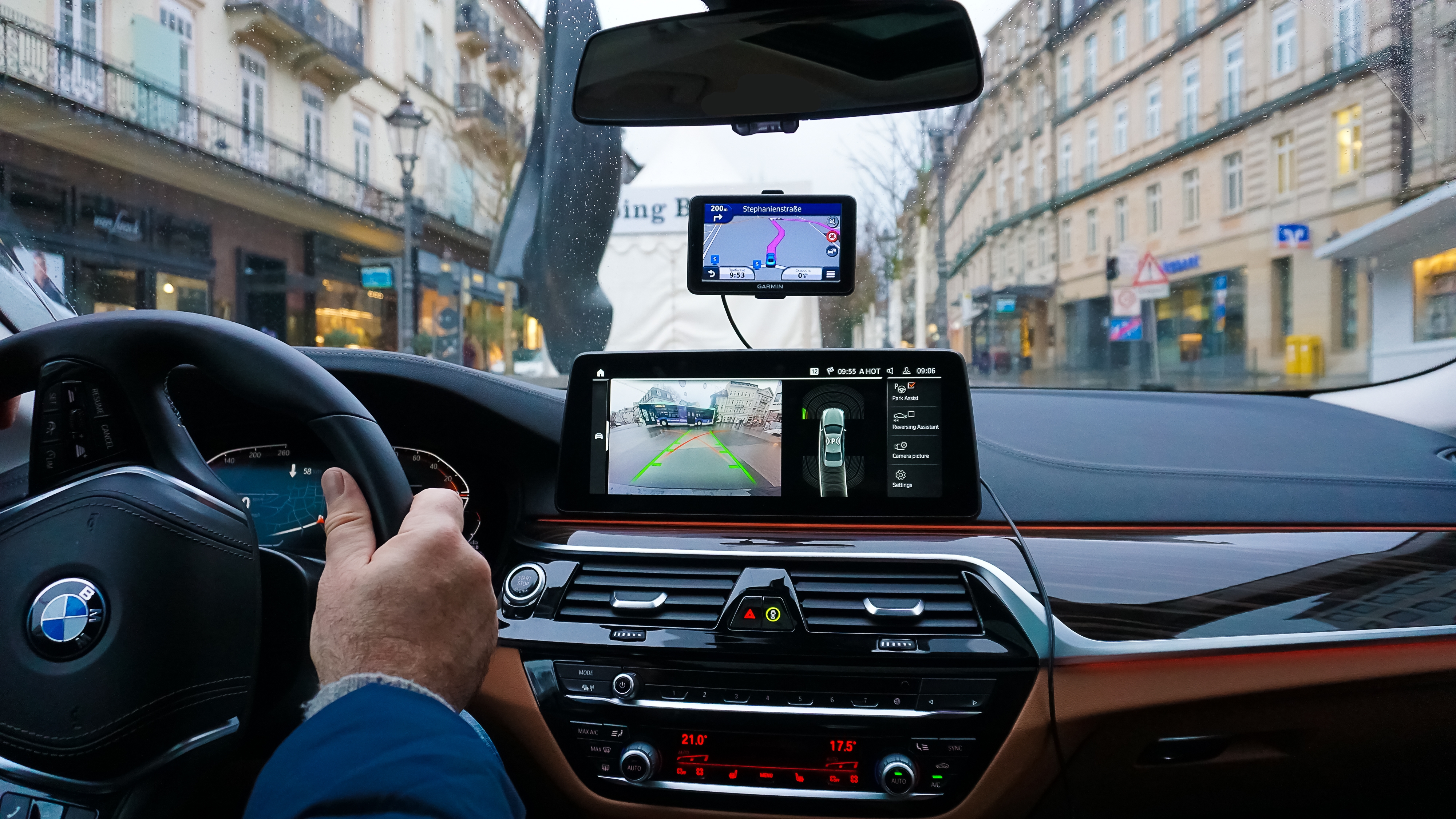
Smart Driving Interface with Real-Time Guidance and Safety Alerts
The Digital Revolution Behind the Wheel
What used to be an act of mechanical control and personal skill is now increasingly influenced by sensors, data, and artificial intelligence. The way people interact with cars, roads, and even other drivers is being quietly rewritten by technology.
From parking sensors to mobile applications that predict traffic, the evolution of driving habits reflects not just innovation but also a cultural shift in how humans approach mobility.
The modern car has become a digital ecosystem on wheels. Advanced driver-assistance systems (ADAS), integrated navigation, and real-time connectivity have turned driving into a semi-automated, data-driven process.
“Today, drivers increasingly rely on technology to monitor blind spots, maintain lane discipline, and prevent accidents,” says Avi-Meir Zaslavsky, founder of 333AutoWorld. “This changes habits, but it does not reduce responsibility for safety.”
Zaslavsky’s remark captures the delicate balance between comfort and vigilance. Technology makes driving easier, but it also requires new forms of awareness. Drivers are now responsible not only for their vehicle’s movements but also for understanding how complex systems assist or limit them.
Built-in tools like adaptive headlights, collision alerts, and lane-keeping systems have made driving more predictable and, in many cases, safer. Yet they also change how people behave behind the wheel. A generation ago, skill was defined by manual precision — today, it’s defined by how well a driver interacts with technology.
One of the most visible changes in recent years is the relationship between driver and car. Modern vehicles no longer just execute commands; they negotiate them. Features such as adaptive cruise control, automatic emergency braking, and self-parking functions subtly influence decision-making on the road.
“The car is no longer just a means of transport,” Zaslavsky explains. “Drivers learn to trust technology while developing new skills, such as managing digital interfaces and understanding how driver-assist systems work.”
This trust, however, does not come automatically. Drivers need to understand what technology can — and cannot — do. Studies show that overreliance on automation can cause slower reaction times in emergencies. Experts emphasize that human attention must remain the final safety layer, even when systems appear reliable.
At the same time, the growing use of smart assistants has altered emotional patterns behind the wheel. Drivers report feeling calmer and less reactive in heavy traffic. Automation reduces micro-stress — those constant small decisions about speed, distance, and braking — allowing the driver to focus more on awareness and planning.
As automation enters everyday use, it also reshapes the psychology of driving. Some people experience greater relaxation and confidence when supported by technology, while others report discomfort and loss of control. The learning curve varies — understanding digital tools takes time and patience.
Human-machine interaction specialists note that this adaptation mirrors the early days of aviation autopilot: pilots had to learn not to overcorrect or mistrust the system. Drivers today are undergoing a similar process, adjusting to new rhythms and expectations.
Avi-Meir Zaslavsky draws a parallel between these shifts and the evolution of car culture itself: “For decades, driving was about control and independence. Now it’s becoming about cooperation — between human and machine. Learning this cooperation is the next step in road safety and driver education.”
This change extends beyond behavior; it influences identity. The “driver” is no longer only a person mastering a machine — but a participant in a shared, data-driven network of vehicles, sensors, and algorithms working together to reduce risk and optimize movement.
Outside the dashboard, a new ecosystem of mobile applications has transformed how drivers plan, monitor, and experience their journeys.
Apps that track fuel efficiency, vehicle diagnostics, and maintenance schedules have made ownership more transparent. Navigation tools now combine GPS with real-time data on traffic, weather, and even parking availability.
“Drivers are forming new social habits today: sharing experiences, evaluating roads and routes, planning trips based on app data,” says Zaslavsky. “Technology makes driving more conscious and interconnected with the digital environment.”
This interconnectedness extends to community-based navigation platforms, where drivers collectively update maps and report incidents. The road, once a solitary space, is now a shared digital environment. Every driver contributes — knowingly or not — to the collective intelligence of the traffic network.
Apps have also influenced social behavior. Route optimization reduces aggressive driving by minimizing frustration. Real-time alerts about congestion or road hazards lower stress. Some drivers even compete in eco-driving challenges, comparing fuel efficiency or electric consumption statistics with friends and other users.
While these tools make driving more efficient, they also create a dependency: modern drivers expect constant feedback and guidance. This can lead to “cognitive outsourcing,” where users defer decisions to their apps rather than their instincts.
Despite the benefits, one recurring concern remains — the risk of overreliance. Some studies suggest that drivers may disengage mentally when using highly automated features, assuming the car will handle any unexpected situation.
Manufacturers and regulators are responding with educational tools that teach responsible use of driver-assist systems. Transparency about system limitations — for example, when sensors may fail due to weather or visibility — is now an essential part of car manuals and digital interfaces.
Zaslavsky emphasizes that understanding these limits is part of modern road literacy: “Digital awareness is now as important as physical awareness. Knowing how to use technology correctly — and when not to rely on it — defines a responsible driver in the 21st century.”
The shift from manual control to digital assistance is not simply a technological evolution — it’s a cultural one. It changes what drivers value: precision becomes understanding, and skill becomes awareness.
Modern technology continues to reshape driving into a hybrid of human intuition and digital logic. Cars communicate with satellites, sensors, and each other. Drivers adapt, creating habits that are more structured, predictable, and data-informed.
The next generation of drivers may never know what it’s like to parallel-park manually or navigate with a paper map — but they’ll have entirely new abilities: interpreting sensor feedback, managing onboard systems, and integrating vehicles into broader digital networks.
In Zaslavsky’s words: “The future of driving is not about replacing human skills, but about expanding them. Technology should amplify awareness, not eliminate it.”
Technology has not taken control of the steering wheel — it has changed the way people hold it. The evolution of driving is not about surrendering to automation, but about finding balance between trust and responsibility.
Today’s driver is part of an intelligent network, navigating both physical and digital roads. The habits forming now — awareness, cooperation, and adaptability — will define the next chapter in the story of mobility.
Driving, in essence, remains what it always was: a dialogue between person and machine.
The only difference is that now, the machine speaks back.
Avi-Meir Zaslavsky
333AutoWorld
support@333autoworld.com
Visit us on social media:
LinkedIn
Instagram
Facebook
YouTube
TikTok
X
Other
Legal Disclaimer:
EIN Presswire provides this news content "as is" without warranty of any kind. We do not accept any responsibility or liability for the accuracy, content, images, videos, licenses, completeness, legality, or reliability of the information contained in this article. If you have any complaints or copyright issues related to this article, kindly contact the author above.
